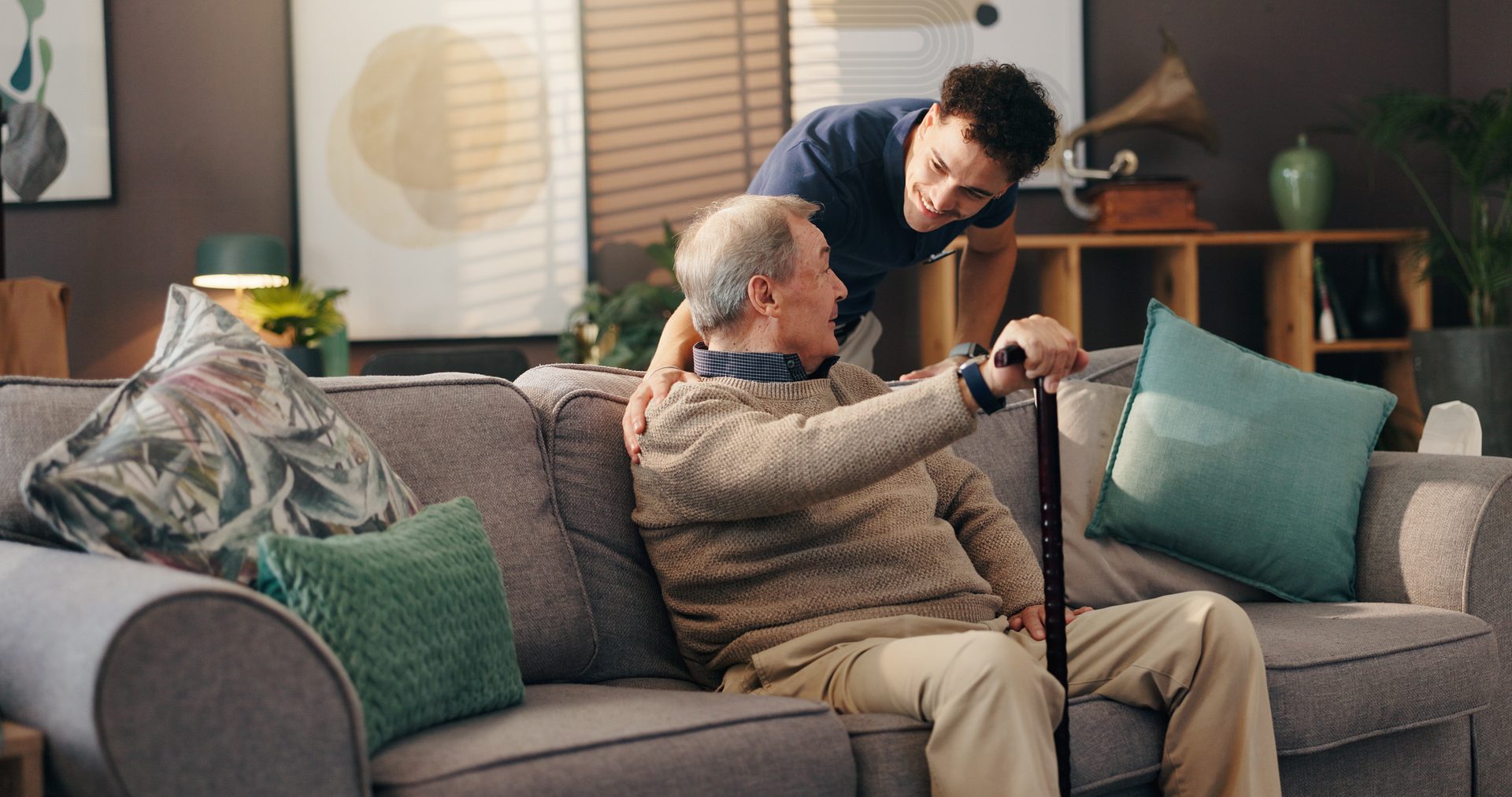

As parents grow older, everyday activities that once felt simple can gradually become more challenging. Preparing meals, getting dressed, maintaining a clean home, and moving around safely may require more effort than before.
For families in Paoli, Malvern, Berwyn, and surrounding Pennsylvania communities, in-home senior care offers a way to support aging loved ones while respecting their independence and familiar routines.
Recognizing when additional help is needed can make the transition to home care easier for everyone involved.
How Do You Know When an Aging Parent Needs Home Care?
An aging parent may benefit from home care when they begin experiencing difficulty with personal hygiene, household responsibilities, mobility, regular meals, or other daily activities. Changes in social habits and increasing reliance on family members can also indicate that additional support would be helpful.
Here are seven signs families should look for.
1. Everyday household tasks are becoming difficult
You may notice that laundry is piling up, dishes are left unwashed, or household spaces are becoming increasingly cluttered.
These changes do not necessarily mean your loved one can no longer live independently. They may simply need assistance managing responsibilities that have become physically demanding.
Light housekeeping and daily living support can help maintain a more comfortable home environment.
2. Changes in personal hygiene
Difficulty bathing, grooming, or changing clothes may indicate that personal care routines are becoming challenging.
Some older adults avoid bathing because they are concerned about slipping or losing their balance. Others may have difficulty reaching certain areas or standing for extended periods.
A personal caregiver can provide respectful assistance while maintaining the individual's privacy and dignity.
3. Increased difficulty with mobility
Holding onto furniture while walking, struggling to get out of a chair, or becoming hesitant about moving around the house may indicate a need for additional support.
Families should discuss new or worsening mobility problems with a healthcare professional.
In-home caregivers can assist with everyday movement according to the individual's care plan and recommended mobility precautions.
4. Irregular meals and changes in eating habits
Preparing nutritious meals can become more challenging with age, particularly for individuals living alone.
Warning signs may include expired groceries, frequently skipped meals, or difficulty preparing food.
Home care assistance can help older adults maintain consistent meal routines and manage everyday kitchen responsibilities.
Unexplained weight loss or significant changes in appetite should also be discussed with a healthcare provider.
5. Missed appointments or forgotten routines
An aging parent may occasionally forget an appointment or lose track of their daily schedule.
However, recurring difficulties managing appointments, medication schedules, or important responsibilities may indicate that more structured assistance is needed.
Caregivers can provide routine reminders and help individuals stay organized. Medication-related responsibilities should follow the individual's care plan and applicable professional requirements.
6. Increased loneliness or social withdrawal
Older adults who spend most of their time alone may have fewer opportunities for meaningful social interaction.
A loved one who no longer participates in favorite activities or frequently expresses feelings of loneliness may benefit from additional companionship.
Regular caregiver visits can create opportunities for conversation, shared activities, and meaningful engagement throughout the day.
7. Family caregivers are becoming overwhelmed
Many adult children balance caring for aging parents with work, parenting, and other responsibilities.
When caregiving begins to affect a family member's sleep, health, or ability to manage everyday life, professional home care may provide valuable additional support.
Accepting assistance does not mean a family is giving up its caregiving responsibilities. It means creating a more sustainable approach to supporting a loved one.
What Does Personal In-Home Care Include?
Personal home care is designed around an individual's daily needs and preferences.
Depending on the personalized care plan, support may include:
- Bathing, dressing, and grooming assistance
- Mobility support
- Meal preparation
- Light housekeeping
- Companionship
- Daily routine reminders
- Assistance with everyday activities
At Holy Guardian Home Care, the care planning process considers each individual's preferences, abilities, and personal goals.
How to Talk to an Aging Parent About Home Care
Starting a conversation about additional assistance can feel uncomfortable, especially when a parent values their independence.
Rather than focusing on what they can no longer do, discuss how assistance could make everyday life easier.
Ask which household activities have become tiring, what responsibilities they would appreciate help with, and how they would like a caregiver to fit into their routine.
Involving your parent in the decision can help them maintain a sense of control and ownership over their care.
Frequently Asked Questions
Can seniors receive home care without moving into a nursing home?
Yes. In-home care helps eligible individuals receive personalized assistance within their own homes. Whether home care is appropriate depends on their medical, personal, and safety needs.
Does my parent need home care every day?
Not necessarily. Some older adults benefit from occasional assistance, while others require more frequent support. Care schedules can be discussed based on individual needs and availability.
Can home care help seniors who live alone?
Yes. Personal assistance, companionship, household support, and regular routines may help older adults who need additional assistance while living alone.
Where can I find in-home senior care near Paoli, PA?
Holy Guardian Home Care provides personalized home care in Paoli and surrounding communities, including Malvern, Berwyn, Wayne, and other Greater Philadelphia neighborhoods.
Help Your Loved One Maintain Independence at Home
Recognizing the need for home care is an important step toward supporting your loved one's comfort, dignity, and quality of life.
Holy Guardian Home Care helps families throughout Paoli and Greater Philadelphia explore personalized care options based on their loved one's needs.
Contact Holy Guardian Home Care at 267-632-3794 to discuss how in-home assistance can support your family.
This article provides general information, not medical advice. Discuss medical concerns and individual care needs with an appropriately qualified healthcare professional.