
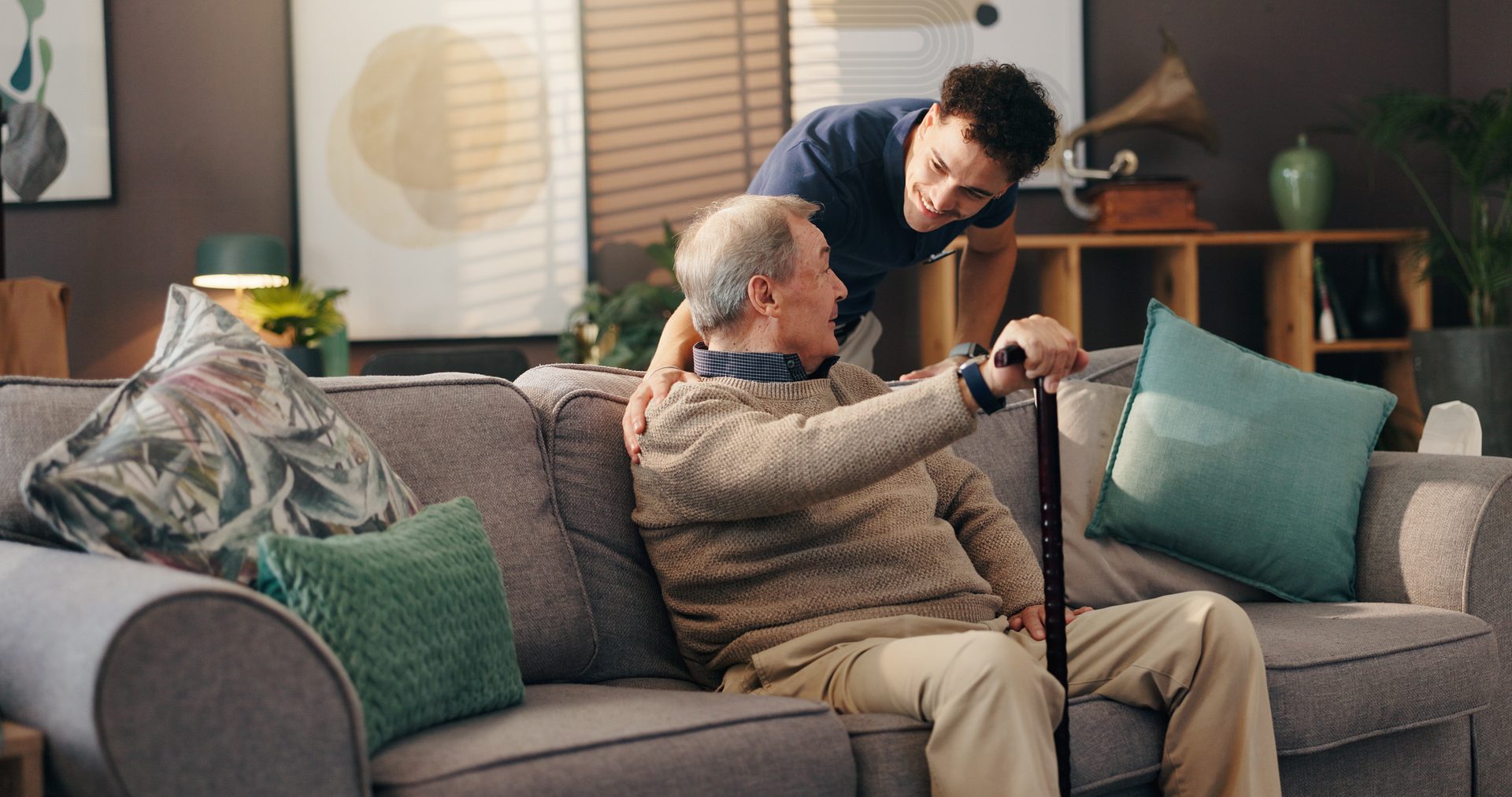
Returning home after a hospital stay is often a welcome milestone. However, the transition can also bring new challenges for older adults and their families.
Everyday responsibilities may feel more demanding, mobility may be temporarily limited, and new healthcare instructions may require additional attention.
For families throughout Paoli, Bryn Mawr, Philadelphia, and surrounding communities, post-hospitalization home care can provide practical assistance during this important transition.
What Is Post-Hospitalization Home Care?
Post-hospitalization home care provides individualized assistance to people returning home following a hospital stay. Depending on their needs, this may include personal care, meal preparation, mobility assistance, household support, and reminders related to their daily routines.
The goal is to make returning home more manageable while supporting the recovery plan established by the individual's healthcare team.
Home care does not replace medical treatment or prescribed rehabilitation. When clinical assistance is necessary, families should discuss appropriate nursing or home health services with their healthcare provider.
Why the Transition From Hospital to Home Matters
During hospitalization, patients have access to healthcare professionals and structured daily care.
Once they return home, many of those responsibilities shift to the individual and their family.
This adjustment can be especially challenging when an older adult lives alone, has limited mobility, or requires assistance completing daily activities.
Planning for home care before discharge can help families identify responsibilities, arrange appropriate assistance, and avoid unnecessary confusion during the transition.
How Home Care Can Support Recovery
Assistance with daily activities
After an illness, injury, or procedure, activities such as bathing, getting dressed, and preparing meals may become more difficult.
A caregiver can provide assistance with these responsibilities according to the person's abilities and medical restrictions.
This allows individuals to focus more of their energy on resting and following their recovery plan.
Maintaining a comfortable home environment
A clean, organized living space can make everyday activities easier to manage.
Light housekeeping, laundry assistance, and keeping commonly used items within reach can help reduce the physical demands placed on someone recovering at home.
Supporting meals and daily routines
Some individuals return home with new dietary instructions or changes to their usual schedules.
Caregivers can assist with meal preparation and encourage consistent daily routines based on the guidance provided by healthcare professionals.
Mobility assistance
Walking, standing, and moving between rooms may require additional support after hospitalization.
Caregivers can assist with approved daily movement while respecting any restrictions established by the individual's healthcare team.
Companionship and reassurance
Recovering at home can sometimes feel isolating, particularly when an individual is accustomed to an active lifestyle.
Having someone nearby to provide conversation, encouragement, and everyday assistance can make this period feel more manageable.
Preparing Your Home Before Hospital Discharge
Families can take several practical steps before their loved one returns home.
- Review written discharge instructions with the hospital care team.
- Confirm upcoming medical appointments.
- Remove unnecessary clutter from frequently used walkways.
- Ensure essential household items are accessible.
- Prepare meals that follow recommended dietary guidelines.
- Discuss medication responsibilities with healthcare professionals.
- Arrange caregiver support based on the individual's needs.
The Medicare discharge planning checklist is also a useful resource for families preparing for this transition.
What Is the Difference Between Home Care and Nursing Care?
Personal home care primarily focuses on helping individuals with everyday activities, companionship, and household responsibilities.
Nursing care involves clinical support from appropriately qualified healthcare professionals based on the individual's medical needs and care plan.
Some individuals may need both types of assistance following hospitalization. Others may only require temporary support with daily activities.
Holy Guardian Home Care offers post-hospitalization support and nursing care services. Families can discuss their circumstances with the care team to determine what assistance may be appropriate.
How Long Is Home Care Needed After a Hospital Stay?
The length of post-hospitalization home care varies depending on the individual's condition, mobility, recovery progress, and available family support.
Some people may need assistance for a short period, while others may benefit from ongoing care.
Families should review care requirements as recovery progresses and communicate any changes with healthcare professionals and caregivers.
Questions to Ask Before Arranging Post-Hospitalization Care
Before your loved one returns home, consider discussing the following questions with the discharge team and home care provider:
- Which activities can my loved one complete independently?
- Are there any movement or lifting restrictions?
- Will medical or nursing support be necessary?
- What symptoms require immediate medical attention?
- How much daily assistance will be needed?
- How should the care plan change as recovery progresses?
Clear communication helps everyone understand their responsibilities during the transition.
Frequently Asked Questions
Can I arrange home care before my parent leaves the hospital?
Yes. Families can begin discussing care arrangements before discharge to prepare for anticipated needs and confirm caregiver availability.
Is post-hospitalization care available for a short period?
Yes. Short-term care may be appropriate for individuals who need temporary assistance while recovering from an illness, injury, or hospitalization.
Can home caregivers administer medications?
Medication administration depends on the caregiver's qualifications, applicable regulations, and the individual's care plan. Families should clarify these responsibilities with the care provider.
Is home care the same as physical therapy?
No. Home care provides daily living assistance, while physical therapy is a clinical rehabilitation service performed by qualified professionals.
Where can I find post-hospitalization care in Greater Philadelphia?
Holy Guardian Home Care provides post-hospitalization home care support in Paoli and surrounding communities, including Bryn Mawr, Wayne, Newtown Square, and Philadelphia.
Make the Transition Home More Manageable
Returning home after hospitalization should be supported by thoughtful planning and assistance that respects the individual's recovery needs.
Holy Guardian Home Care helps families throughout Greater Philadelphia explore personalized care arrangements for their loved ones.
Call 267-632-3794 or request a consultation to discuss post-hospitalization home care in Paoli and surrounding communities.
This article provides general information, not medical advice. Discuss medical concerns and individual care needs with an appropriately qualified healthcare professional.